Build a steady routine
Keep meals regular, drink enough fluids and change one personal trigger at a time.
More details
Eat regular meals, take time to chew and drink enough fluids. A short food and symptom diary can reveal personal triggers. Adjust one likely trigger at a time, such as excess caffeine, rather than removing many foods together. Aim to keep meals balanced and varied.
Choose fibre and diet changes carefully
Add soluble fibre gradually. A low-FODMAP trial should be brief, dietitian-guided and followed by food reintroduction.
More details
Soluble fibre, found in foods such as oats, may help, especially with constipation. Increase it gradually because a sudden increase can worsen gas. If symptoms persist, a dietitian may guide a short low-FODMAP trial followed by food reintroduction, rather than permanent broad food restriction.
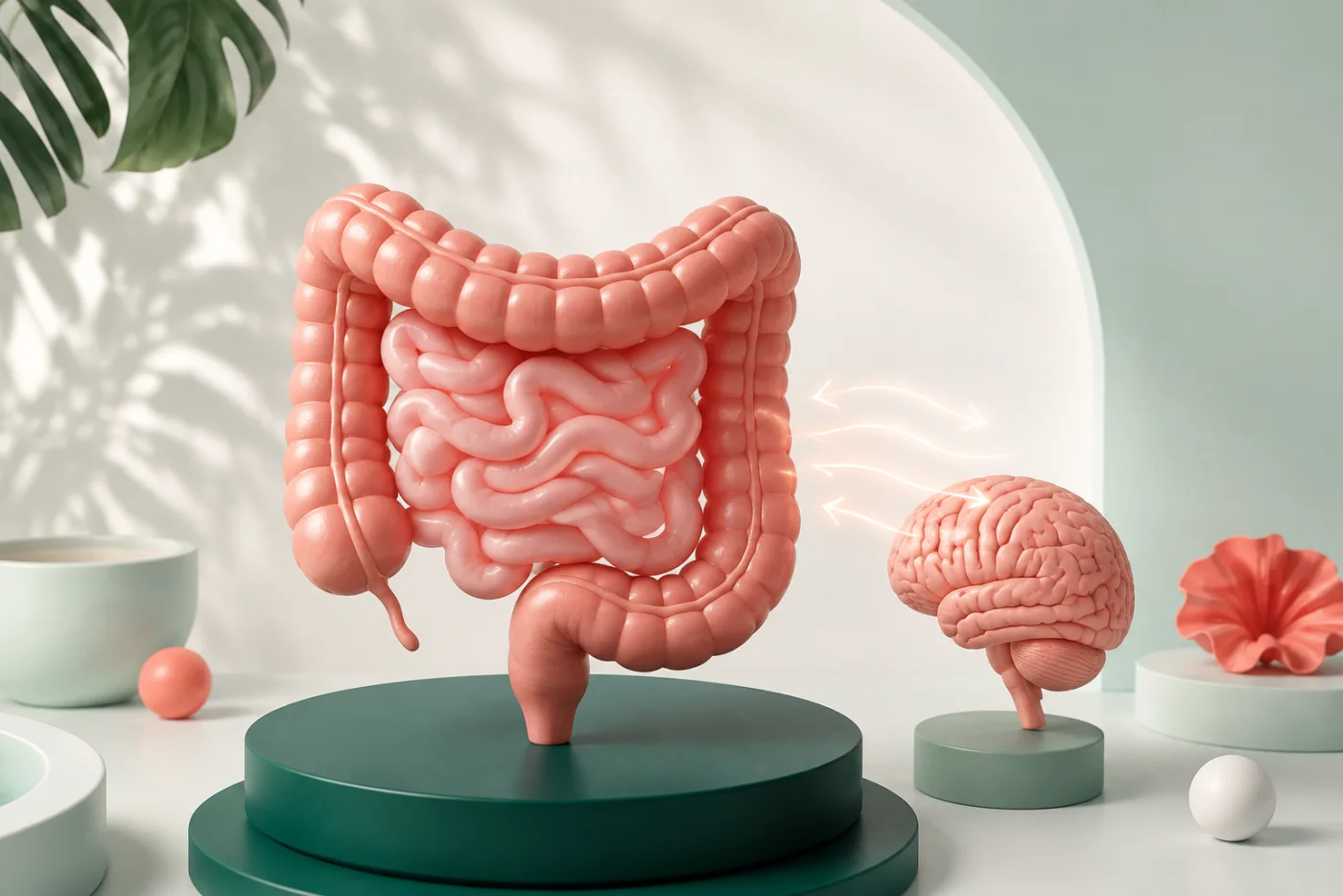
Support the gut and brain
Activity, sleep and relaxation can help. Medicines and gut-directed therapies are selected for your symptoms.
More details
Regular activity, sufficient sleep and relaxation can help symptom control. Your clinician may choose medicines according to your bowel pattern and pain. Gut-directed psychological treatments, including cognitive behavioural therapy, can also help some people. Review benefit and side effects together before changing the plan.